Why Year-End Reviews Matter More for SMEs Than Ever
As uncertainty continues to shape the business environment, SMEs are using year-end reviews to stress-test cash flow, demand and operations — focusing on resilience rather than best-case growth.

Loading
Stay updated with the latest insights and news for SMEs
As uncertainty continues to shape the business environment, SMEs are using year-end reviews to stress-test cash flow, demand and operations — focusing on resilience rather than best-case growth.
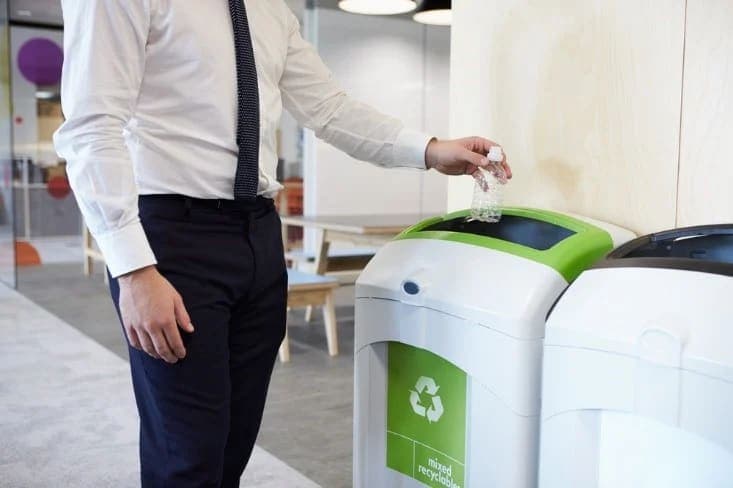
Small businesses are facing growing pressure to prove their environmental credentials as sustainability expectations filter down supply chains and influence customer decisions — even where regulation does not directly apply.
As the year comes to a close, small and medium-sized businesses are being encouraged to look ahead to 2026, as new pressures around digital reporting, technology adoption and sustainability begin to take shape. While change is gradual, many of the expectations facing SMEs are set to become harder to avoid over the next two years.
As businesses wrap up the year and set priorities for the next, major changes are already on the horizon for 2026. The Employment Rights Bill is expected to introduce reforms that will affect how SMEs manage staff, make early employment decisions, and respond to change. With increased protections for workers and higher potential costs for employers, many small businesses are being encouraged to factor the reforms into their planning sooner rather than later.

Small and medium-sized businesses face a festive season with evolving consumer habits. This year, shoppers are combining online and in-store buying, prioritising sustainable and meaningful gifts, and seeking small indulgences or experiences. Understanding these trends can help SMEs maximise sales and connect with customers this Christmas.
New figures released this week show that the UK economy contracted in October, marking the second consecutive month of declining output. The slowdown, confirmed in December’s official data, points to weakening momentum across key sectors and raises fresh concerns for small and medium-sized businesses as they prepare for the year ahead.

I keep seeing the same theme: the most determined entrepreneurs are often women from low income backgrounds. They turn hardship into strategy, scarcity into ingenuity, and every obstacle into a lesson. Starting a business without money, networks, or safety nets is daunting, but these women are not just building companies—they are breaking patterns and reshaping the future of entrepreneurship.
The Labour government’s plan to cut electricity bills for thousands of manufacturers has been welcomed as a long overdue step toward restoring Britain’s industrial competitiveness. By expanding the British Industrial Competitiveness Scheme, ministers aim to bring UK energy costs closer to those of European rivals. Industry groups say the policy shows Labour is finally listening after years of uncertainty, although many warn that firms cannot afford to wait until 2027 for relief. As manufacturers continue to battle high and unpredictable energy prices, the government now faces growing pressure to deliver support sooner.

While multinational corporations dominate headlines, small and medium-sized enterprises are quietly achieving remarkable success. From a UK bakery founded by a teenager to a low-sugar jam brand carving out a health-conscious niche, these businesses demonstrate that creativity, persistence, and strategic focus can rival even the largest competitors. Across industries and continents, their stories show that size does not determine impact, and that with vision and dedication, small businesses can leave a lasting mark on communities and markets alike.
Get the latest SME news delivered to your inbox