
How Women From Low Income Backgrounds Are Building Businesses Against the Odds

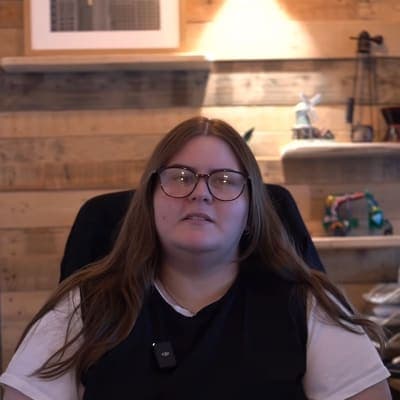
When I speak with women who are starting businesses today, I keep noticing the same theme. The greatest entrepreneurs in this country are not always coming from boardrooms, universities or inherited networks. Many of them come from places where the odds were stacked firmly against them. They are women who grew up in low income households, women who had to stretch every pound, women who built resilience long before they ever wrote a business plan.
Their stories have a common thread. Poverty taught them to solve problems quickly, to find opportunity in small spaces, and to keep going even when every door seemed closed. These qualities turn out to be the foundations of entrepreneurship, even though nobody calls them that at the time. What looks like survival becomes strategy. What looks like limitation becomes ingenuity.
But the journey is not romantic. Women from poorer backgrounds often begin with no financial cushion, no family networks, and no one who can lend them seed money. Many are juggling jobs, caregiving and the emotional weight of financial insecurity while trying to get a business off the ground. They tell me that the hardest part is not the product, the branding or the marketing. It is believing they deserve a place in the world of business when they have spent their whole lives being told to expect less.
I have heard stories from women who saved every spare coin to buy their first materials, women who ran side hustles between night shifts, women who built early customer bases through sheer persistence because they could not afford paid advertising. I have met founders who still remember counting bus fare before pitching to investors who assumed they lacked ambition simply because they lacked privilege. These women are not just starting companies. They are breaking patterns.
What encourages me most is the way they are changing the culture of entrepreneurship. They are building businesses rooted in purpose and lived experience. They understand their customers because they have lived the problems they are trying to solve. Many of them choose models that support their communities, create flexible work and prioritise long term stability over quick exits. Their approach to leadership is deeply human and grounded in real life, not theory.
Still, access to finance remains the biggest barrier. Women from low income backgrounds often report being judged more on their circumstances than their ideas. They face higher scrutiny, lower trust and fewer second chances. This is where policy and business culture must catch up. Talent is everywhere, but opportunity is not. When we overlook women who did not start with connections or capital, we are not only failing them. We are losing out on businesses with extraordinary potential.
The more I talk to these founders, the more convinced I am that the future of entrepreneurship in this country depends on widening the doors and lowering the barriers. Supporting these women is not charity. It is economic sense. They bring creativity shaped by necessity, determination forged in hardship and a clarity of purpose that many companies spend years trying to manufacture.
I want to keep telling their stories because they remind us of something essential. Great business ideas do not belong to one class, one background or one type of person. They come from anyone who has lived a problem deeply enough to want to solve it. When we make it possible for women from low income backgrounds to start and grow companies, we are not just helping individuals. We are reshaping the economy in a way that is fairer, smarter and more reflective of the country we actually live in.
If we make room for them, they will transform far more than their own lives. They will transform ours too.
About the Author
Political analyst and SME enterprise specialist, focused on UK small business policy and economic growth.