
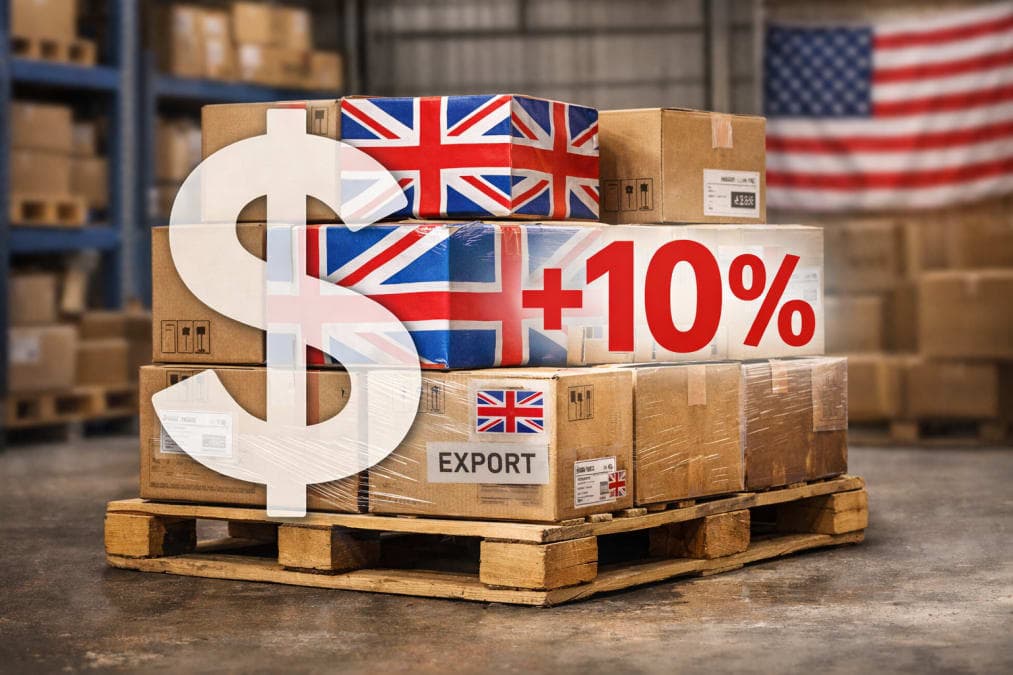
What a 10% US Tariff Could Mean for UK SMEs
A proposed 10 per cent US tariff on UK exports could place fresh pressure on small and medium-sized businesses, with higher costs, reduced competitiveness and increased uncertainty for exporters.
Loading

This is Small and Medium Enterprises News Official News Desk

A proposed 10 per cent US tariff on UK exports could place fresh pressure on small and medium-sized businesses, with higher costs, reduced competitiveness and increased uncertainty for exporters.

What starts as a side hustle for many entrepreneurs is increasingly turning into a job-creating small business, as founders take the step from working alone to employing staff.

As the economy becomes increasingly digital, SMEs are being forced to adapt their operations, customer engagement and long-term strategies to remain competitive.

Dialogue Express Café in Stratford is expanding its role beyond coffee by launching a new calendar of community-focused events, as the inclusive small business continues to grow its presence locally.

SME insolvencies are continuing to rise across the UK as higher operating costs, weaker demand and tighter credit conditions expose fragile business models. Hospitality, construction and retail remain among the most affected sectors, while some service-based firms show greater resilience.

Hiring freezes are becoming increasingly common across UK small and medium-sized enterprises as rising wage costs, economic uncertainty and subdued demand force business owners to delay recruitment plans. Rather than cutting jobs, many SMEs are choosing to pause hiring while focusing on productivity and cost control amid an unpredictable trading environment.

Despite headlines about AI transformation, most UK SMEs are using the technology in modest, practical ways. In 2026, tools are deployed for routine tasks like invoicing, customer communications, and data analysis rather than sweeping business change. Adoption is cautious, cost-conscious, and focused on freeing time and reducing operational friction rather than reshaping strategy.

As the UK’s 2026 policy agenda takes shape, Labour has placed stability, productivity and long-term growth at the centre of its economic message. For many SMEs, the question is not whether these priorities are welcome, but whether they translate into clearer costs, simpler compliance and more predictable conditions for doing business.

UK SMEs are approaching hiring differently in 2026. Wage pressure, skills shortages and economic uncertainty have led many firms to delay recruitment, redesign roles and focus on retaining experienced staff rather than expanding headcount. This quiet reset reflects cautious confidence rather than retreat, as SMEs balance the need for capability with the risks of rising employment costs.