
Why UK Tech Is Failing Its Micro-SMEs
UK tech boasts unicorns, but micro-SMEs face a hostile environment for growth. Personal gambles, credit squeezes, and regulatory burdens force firms abroad. Uncover the "scale-up paradox."

Category
6 articles
UK tech boasts unicorns, but micro-SMEs face a hostile environment for growth. Personal gambles, credit squeezes, and regulatory burdens force firms abroad. Uncover the "scale-up paradox."

I keep seeing the same theme: the most determined entrepreneurs are often women from low income backgrounds. They turn hardship into strategy, scarcity into ingenuity, and every obstacle into a lesson. Starting a business without money, networks, or safety nets is daunting, but these women are not just building companies—they are breaking patterns and reshaping the future of entrepreneurship.
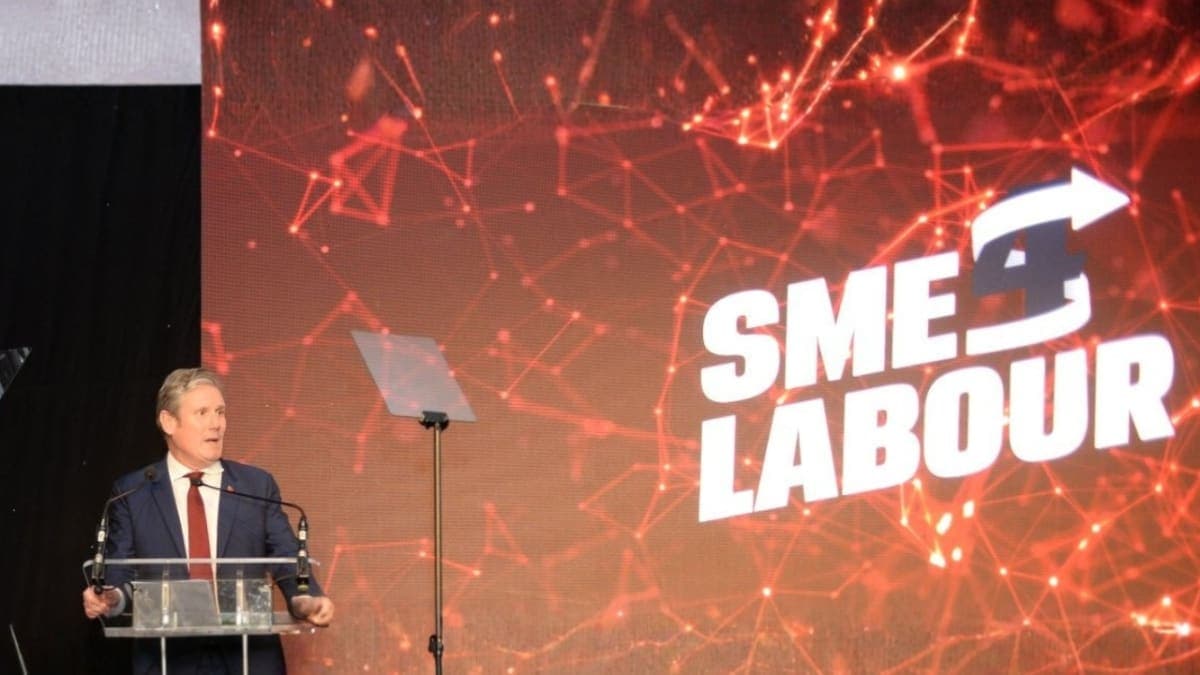
SME4Labour has grown in recent years into one of the most visible voices for small and medium-sized enterprises within the Labour movement. It was created to close a clear gap: many SME owners felt they were rarely heard in national politics, even though their businesses form the backbone of the UK economy. SME4Labour set out to change this by building a structured link between entrepreneurs, small business owners and the Labour Party, so that policy makers could better understand the realities of running a small or medium business in the UK.

In 2024, the United Kingdom is set to implement new rule changes through the UK Visas and Immigration (UKVI), impacting how businesses recruit and manage their workforce. For small to medium-sized enterprises (SMEs), adapting to these changes is crucial for maintaining a skilled and diverse workforce. How will SMEs navigate these upcoming UKVI rule changes effectively.

The United Kingdom currently grapples with a profound sense of stagnation, an intricate predicament intertwined with a myriad of challenges. One significant factor contributing to this economic inertia is the palpable absence of substantial investment, a regrettable shortfall that can be traced back to both governmental and business spheres. This deficiency in investment has far-reaching consequences, casting a pervasive shadow over the entire economic landscape and impeding advancements on numerous fronts.

Public procurement is worth approximately £300Bn a year, payment is swift, and government aims to target at least 33% of procurement spend with SMEs. Why would you not want to sell into that market?