
Political Leaders Clash Over Economic Strategy at CBI Conference
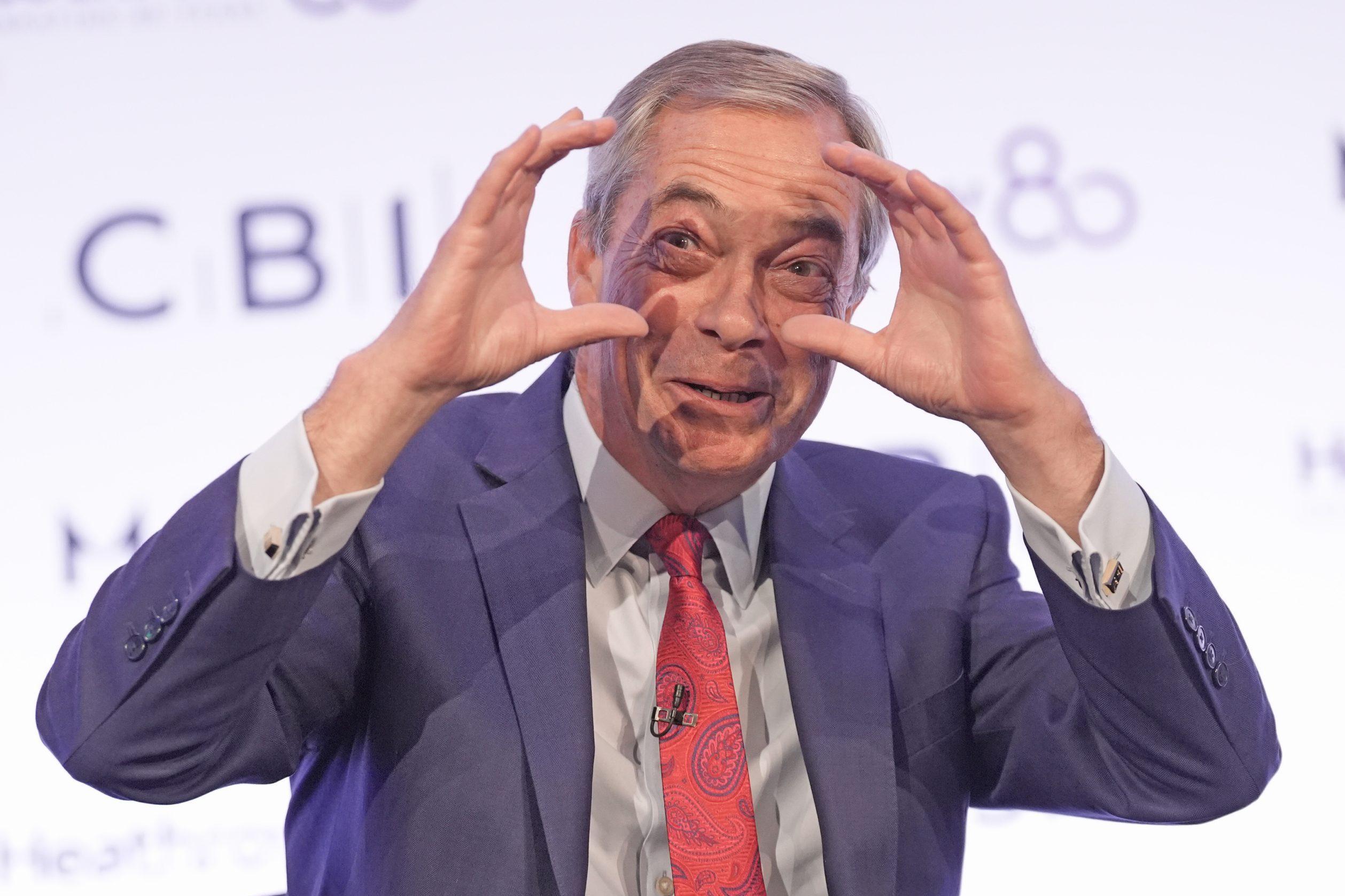
Image: City AM

The annual Confederation of British Industry (CBI) conference witnessed intense political debate as senior figures from across the political spectrum presented contrasting economic agendas to business executives. Representatives from Labour, the Conservatives, Reform, and the Liberal Democrats addressed attendees, marking a notable departure from previous policy consensus.
Government pushes for public and private sector collaboration
Addressing the assembly, First Secretary of State Louise Haigh, who serves as deputy to Andy Burnham, delivered a keynote address focusing on state involvement in key economic areas. Haigh acknowledged the unusual setting for her address, remarking that “opening the CBI Annual Conference with a keynote speech on public control may feel somewhat counterintuitive.”
In her speech conveying the Prime Minister’s direction, Haigh argued that “collaboration between public and private sectors is the only way to rewire our economy.” The proposed measures for state oversight currently involve increasing local administrative oversight rather than sweeping nationalisations. Furthermore, Haigh expressed critical views regarding arms-length bodies and regulatory quangos, advocating for the relocation of supervisory authorities currently held by organisations such as Natural England over to local authorities.
Conservatives urge caution and call for fiscal restraint
Offering a starkly different vision, Conservative leader Kemi Badenoch strongly advised corporate leaders to treat government proposals with skepticism. Challenging the proposed state involvement, Badenoch highlighted previous economic decisions made by the administration. Referring to tax adjustments, she stated: “These are the same Labour politicians who didn’t know that putting up National Insurance would make it more expensive to hire people,”
Badenoch raised further concerns over state intervention in commercial activities, warning delegates: “I would be alarmed if politicians with that level of ignorance were coming for your business.” In addition to challenging public ownership plans, Badenoch rejected proposals by Burnham to reset relations with the European Union, arguing that aligning with EU regulations would subject British commerce to rules without domestic input. Instead, the Conservative leader advocated for reductions in public expenditure and deficit reduction.
Implications for small and medium-sized enterprises
The competing arguments presented at the gathering highlight contrasting approaches that could significantly influence the operational environment for small firms across the UK:
- Employment and taxation: Debates surrounding National Insurance adjustments underline the ongoing sensitivity regarding payroll expenses and hiring costs for growing businesses.
- Regulatory oversight: Shifts in regulatory power from national quangos like Natural England to local councils could alter planning processes and regional compliance rules for commercial enterprises.
- Public procurement and partnership: State emphasis on public-private cooperation may create contractual opportunities, though the extent of local bureaucratic requirements remains a key factor to watch.
- Fiscal policy and stability: Discussions around reducing public deficits and managing national expenditure reflect broader concerns over macroeconomic stability and long-term business confidence.
As political parties prepare their economic platforms, small business owners will need to closely monitor how prospective changes to regulation, taxation, and international trade relationships could affect their operational strategies.
Source: City AM
About the Author
This is Small and Medium Enterprises News Official News Desk