
Centrica Boss Warns of January Energy Bill Hike as Household Costs Threaten SME Spending
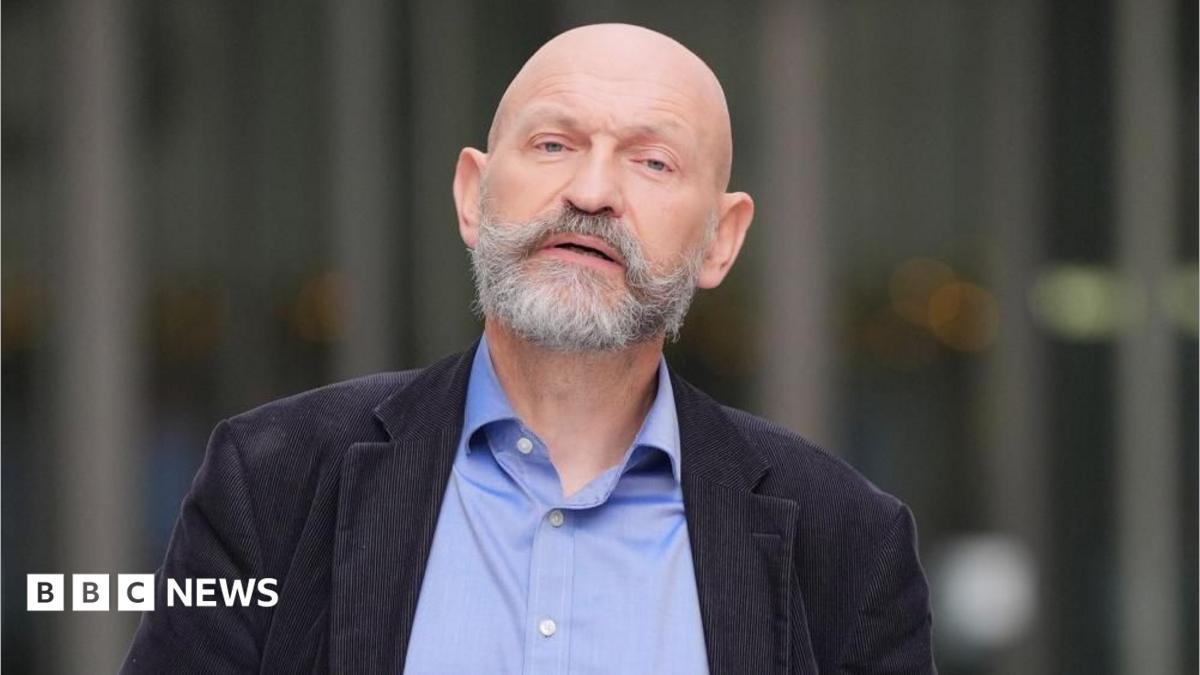
Image: BBC News

The chief executive of Centrica has warned of severe financial pressure on household budgets as energy prices prepare to spike in January, raising fresh concerns over consumer spending power at the start of the new year. Chris O’Shea, boss of the British Gas owner, stated he is “hugely concerned” about the forthcoming rate hikes, which arrive alongside mounting customer arrears across the energy sector.
Surging wholesale costs and rising bill forecasts
Energy regulator Ofgem is scheduled to declare the new price cap on Wednesday. However, industry analysis by consultancy Cornwall Insight indicates that tariffs could surge by 26 per cent from 1 January. This projected jump would take typical annual domestic energy bills to £2,166—an increase of £443 a year for a standard household. The underlying rise in wholesale energy prices paid by suppliers has been propelled by conflict in the Middle East throughout this year.
Appearing on the Sunday with Laura Kuenssberg programme, Mr O’Shea confirmed that predictions for a “substantial increase” in bills were “materially correct”. He highlighted that the price adjustment coincides with peak seasonal fuel usage in the first quarter of the year, adding: “That's right at the point where people will be paying for Christmas and the like. So I am hugely concerned.”
The Centrica chief also highlighted a “massive problem” regarding unpaid accounts across the UK, citing both those unable to pay and an “increasing number of people that are choosing not to pay their bills”. Figures from regulator Ofgem show that total debt owed to energy suppliers by households hit £5bn in the April to June period. Mr O’Shea observed that default costs are passed on to solvent accounts, explaining that “every single electricity consumer, is paying about £1.50, £1.60 a week to cover the cost of people that are not paying their bills, and it's just going to get worse when bills go up”.
Implications for small enterprise owners
Although Ofgem’s price cap directly governs about 20 million households across England, Scotland and Wales, the dramatic surge in domestic energy expenses could create challenging conditions for independent businesses. As householders divert a larger share of disposable income toward essential heating and lighting during the coldest months, small retail, leisure and hospitality traders may experience reduced footfall and lower customer spending following the holiday period.
In response to rising costs, ministers previously announced in the Budget that certain households would receive a £100 payment. Additionally, the government has temporarily cut 5 per cent VAT from electricity bills until the end of June next year, a policy expected to save a typical household roughly £45 a year. However, third-sector groups argue the mitigation falls short. A Citizens Advice adviser stated the £100 measure was a “drop in the ocean”, while the Fuel Poverty Action Group claimed that “our inflated energy prices are driven by inflated energy firm profits”, demanding intervention against “blatant profiteering”. Energy companies in the UK remain subject to a 2022 windfall tax, which brings the total tax rate on oil and gas profits to 78 per cent.
What small businesses should monitor next
Small enterprise owners should monitor the confirmed price cap announcement on Wednesday to evaluate broader energy market trends. Companies dependent on consumer discretionary spending may wish to review cash flow projections for early next year, while all firms should continue assessing their own energy tariffs and efficiency measures to prepare for ongoing cost volatility.
Source: BBC News
About the Author
This is Small and Medium Enterprises News Official News Desk