
Government to Business: 'Public Control Not Anti-Business'
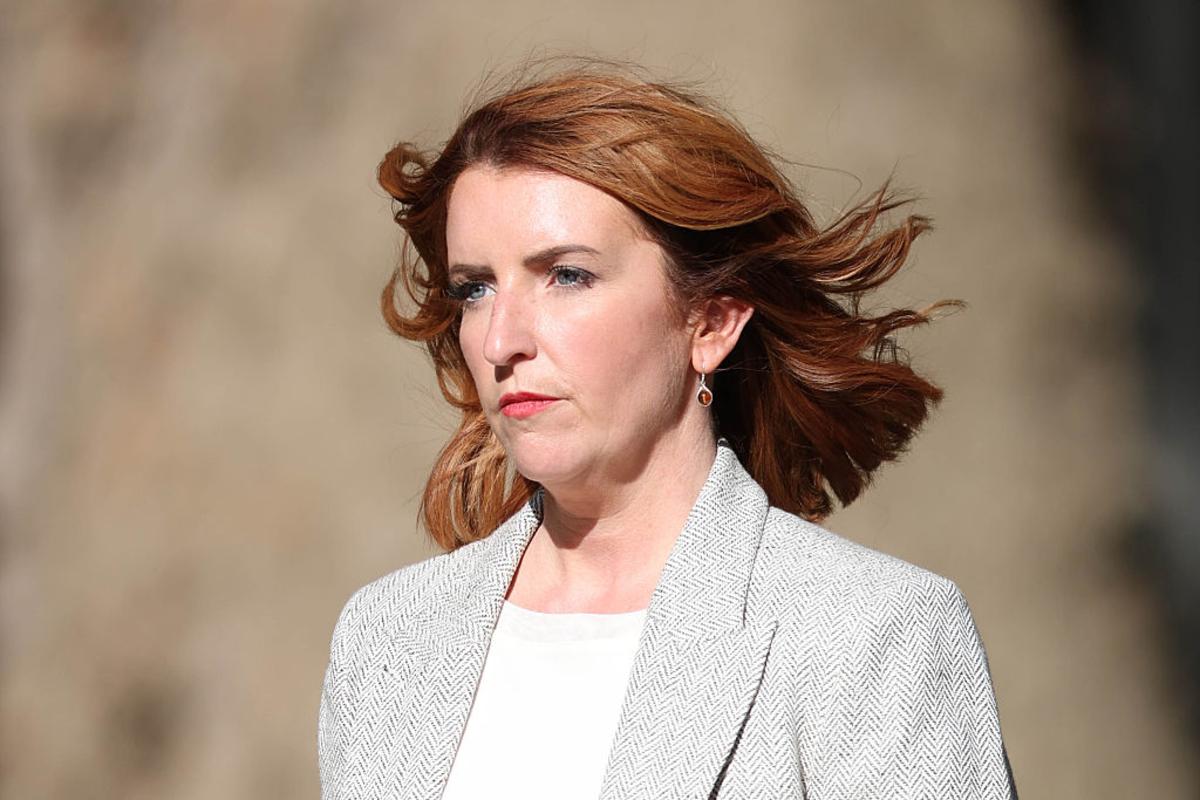
Image: City AM

Louise Haigh, the government’s First Secretary of State and Andy Burnham’s deputy, is expected to address the Confederation of British Industry (CBI) Annual Conference, asserting that “public control is not anti-business.” Her speech will outline the government’s stance on strengthening public control over essential utilities, including the water and energy sectors.
Haigh is anticipated to argue that this approach prioritises pragmatism and public interest over what she describes as “failed political ideology.” She will state, “Public control is not anti-business – it’s about getting the foundations right, so that private enterprise can do what it does best.” The conference, attended by prominent business figures, will hear her highlight that foreign governments currently hold “significant stakes in our water, electricity and gas networks with returns paid to their taxpayers.”
Government's Vision for Public Control
The government's vision, as presented by Haigh, includes fostering “a new partnership with private capital built on clear rules, clear expectations and a fair return on investment.” This framework aims to provide stronger government backing for British businesses, promoting growth and new investment opportunities. Haigh is also expected to critique past political decisions, suggesting that previous generations of politicians have been “ducking difficult decisions” and “outsourcing responsibility to a sprawling web of regulators and arms-length bodies.”
She will challenge the perception that public control equates to full-scale nationalisation, instead focusing on how ineffective monopolies have led to a lack of genuine competition. This perspective suggests the debate is not about the functionality of markets, but rather their efficacy in certain sectors.
Opposition's Counter-Arguments
Andrew Griffith, the Tory shadow chancellor, offered a contrasting view, criticising Labour's approach to nationalisation. He stated, “Labour think nationalisation is a magic wand for every industry and every problem. The only trick they know is splurging ever more taxpayers’ money.” Griffith further argued that if Labour were serious about reducing bills and fostering development, they would abandon their net zero focus, approve the Rosebank project for affordable and reliable energy, and expedite construction at Heathrow.
He concluded that Labour is “writing a blank cheque to be paid for through taxes and borrowing.” Griffith also questioned the effectiveness of nationalisation, citing rail nationalisation as failing to reduce fares or improve services, asking, “Why should anyone believe nationalised water, energy or infrastructure would be any better?”
CBI Calls for Investment and Growth
The CBI’s chief executive, Rain Newton-Smith, is also scheduled to speak at the conference, which follows weeks after John Healey’s Autumn Budget. Newton-Smith is expected to express that the country needs to move beyond a “steady as she goes” Budget that “left too many question marks over our economy.”
She will tell attendees in London that stimulating investment is the sole path to escape the “financial straitjacket” of high taxation and sluggish growth. Newton-Smith intends to challenge a prevailing sense of pessimism, stating, “In the last few years, we in the UK have been too ready to talk ourselves down. To put on our gloom-tinted glasses. They don’t sit well on me.” She will emphasise that the most significant contribution businesses can make is not through increased debt payments, but by investing in the growth necessary to overcome financial challenges.
What This Means for SMEs
For small and medium-sized enterprises, the government's proposed approach to public control of utilities could mean a focus on more stable and potentially fairer pricing structures for essential services like water and energy, if competition is genuinely enhanced. Firms may want to observe how these policies develop, as changes in utility regulation could impact operational costs. The government's promise of stronger support for British business growth and investment opportunities could also open new avenues for SMEs seeking capital or expansion.
Conversely, the CBI's call for unlocking investment highlights a broader concern within the business community regarding the current economic climate of high taxes and low growth. SMEs may find that a lack of robust investment programmes continues to constrain their ability to expand and innovate. The differing views presented by government and opposition figures suggest that the policy landscape around business and utilities remains a key area of debate, which could influence future regulatory environments and economic incentives for SMEs.
Source: City AM
About the Author
This is Small and Medium Enterprises News Official News Desk