
Michael Young and the School of Social Entrepreneurs: Supporting UK SMEs and Small Businesses
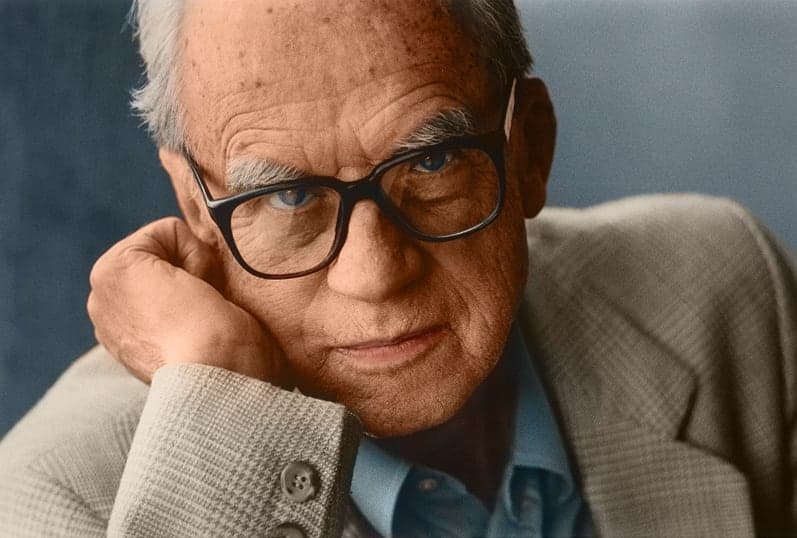

In the evolving landscape of the United Kingdom’s small-business economy, the late Michael Young stands out as one of its most enduring architects. Through his founding of the School of Social Entrepreneurs (SSE), Young helped cultivate a new class of SME leaders, those driven not merely by profit but by community value and social impact.
Young, widely regarded as one of Britain’s most prolific social innovators, believed that entrepreneurial potential is not the exclusive territory of corporate boardrooms or MBA programs. His creation of SSE was based on a straightforward premise: people from ordinary backgrounds could launch extraordinary community enterprises if given the right training and confidence.
Rather than favouring theoretical academic instruction, SSE focuses on practical learning led by real founders and peer networks. Participants learn by doing, prototyping services, testing ideas, and refining business models in real time.
Since its establishment, SSE has trained thousands of founders across the UK. They have gone on to build SMEs in fields such as environmental services, youth programmes, sustainable retail, neighbourhood health services, and local manufacturing. These businesses typically operate modestly in scale, but significantly in impact, often addressing specific community needs overlooked by larger commercial players.
Graduates frequently cite the network effect, gaining mentors, collaborators, and local supporters, as one of SSE’s most influential benefits. For many, this support becomes the difference between an unrealised idea and a functioning enterprise.
Young’s model opened entrepreneurial doors to demographics historically underserved by the business establishment. Individuals without elite education, without generational capital, and without existing commercial networks found the opportunity to start businesses. Many of SSE’s entrepreneurs began with deep lived experience of social issues such as poverty, unemployment, or inequality, and transformed those insights into sustainable ventures.
The outcome is a more diverse SME ecosystem that reflects and responds to Britain’s population.
While social enterprises and community SMEs rarely generate headlines or unicorn valuations, they contribute to local economic resilience. They create jobs, foster neighbourhood cohesion, and often reinvest profits back into the communities they serve. In a macroeconomy dominated by global players, these micro-level businesses help stabilise regional economies and foster local innovation.
Although Michael Young passed away in 2002, SSE has since expanded across multiple UK regions and influenced similar initiatives internationally. His philosophy, entrepreneurship as a tool of citizenship, continues to shape policy discussions, business support programmes, and attitudes toward SME development.
Today, as the UK faces continuing cost pressures and economic uncertainty, Young’s legacy is more relevant than ever. His emphasis on community-focused, locally grounded entrepreneurship offers a model for a more equitable and resilient SME future.
About the Author
This is Small and Medium Enterprises News Official News Desk