
UK High Street SMEs Face Historic Low Confidence, Committee Warns

Confidence among high street businesses in the UK has reached historic lows, according to a report published on 11 February by the Business and Trade Committee. The committee said rising costs continue to outpace revenues, leaving many small businesses with limited ability to absorb increases or pass them on to customers. It warned that without urgent reform, store closures, vacancies, and declining town centres are likely to accelerate.
Cashflow was identified as the most immediate threat. The report stated that late payments are now responsible for closing 38 UK businesses every day, with small firms owed tens of billions of pounds in unpaid invoices. Nearly half of all invoices are paid late, placing particular strain on independent retailers and hospitality businesses operating on thin margins.
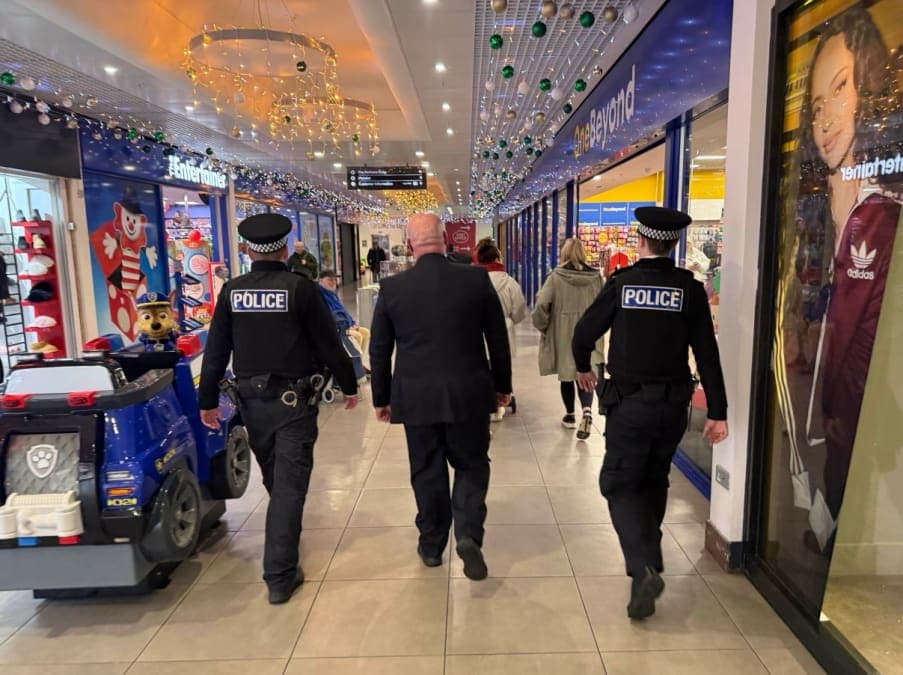
Business rates were highlighted as one of the most urgent high street challenges. The committee noted that the property-based system bears little relation to a retailer’s ability to pay and disproportionately affects smaller businesses compared with larger competitors in similar locations. Retail crime was also cited as a growing cost, estimated at £4.2 billion per year, including £1.8 billion spent on prevention. Shoplifting, abuse, and violence against staff were described as routine, with smaller retailers facing a double burden of funding security while paying higher business rates when investing in preventive measures.
Rising energy costs were identified as another major pressure. SMEs often pay higher rates than large users and have weaker contractual protections, leaving sectors such as hair and beauty particularly vulnerable to margin erosion. The report also criticised the slow pace of town centre regeneration, noting that local councils often lack the powers and data—including clear property ownership information—needed to address vacancies and support high street recovery.
Liam Byrne MP, chair of the Business and Trade Committee, said the evidence shows that many small businesses are operating under pressures similar to those experienced during the Covid pandemic, but without an emergency support framework. He added that late payments, rising energy costs, retail crime, and a complex tax system together pose a serious risk to the viability of SMEs, the survival of high streets, and overall economic growth.
About the Author
This is Small and Medium Enterprises News Official News Desk