
Spring Forecast 2026: A Boost for Working People and SMEs
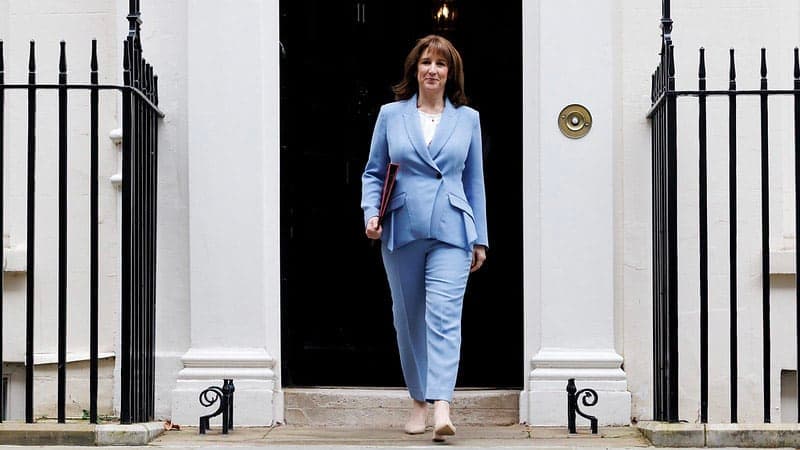

The UK government’s Spring Forecast 2026, delivered by Chancellor Rachel Reeves, outlines a cautious but optimistic economic outlook amid global uncertainty. The Office for Budget Responsibility projects GDP growth of 1.1 percent in 2026, with slightly higher growth in 2027 and 2028. Inflation is forecast to fall steadily, borrowing is set to decline, and public finances are stabilizing. For small and medium-sized enterprises (SMEs), this level of predictability in the macroeconomic environment provides a foundation for planning, investment, and hiring.
The forecast includes measures aimed at supporting SMEs directly. These include discounts on business energy costs, reforms to promote entrepreneurship, and continued investment in infrastructure such as transport and housing. Economists note that these initiatives could help smaller businesses manage overheads, expand operations, and access new markets, particularly in communities outside major urban centers.
Labour market projections show unemployment peaking later in 2026 before falling to 4.1 percent by the end of the forecast period. The government is also investing in youth employment programs, including the £820 million Youth Guarantee, which offers young people access to jobs, apprenticeships, and training opportunities. For SMEs, these programs could help address recruitment challenges while providing skilled, motivated young workers and supporting fair employment practices.
Public investment in education, childcare, and healthcare also indirectly supports SMEs. Initiatives such as free childcare, expanded breakfast clubs, and increased NHS funding aim to improve workforce participation and overall well-being, creating a more stable and capable pool of employees. Investments in local communities, through programs targeting urban, rural, and coastal areas, are expected to strengthen regional economies and support small business growth.
The forecast also emphasizes policies that increase household disposable income, including cuts to interest rates, frozen rail fares, fuel duty reductions, and lower energy bills. These measures can boost consumer spending, providing a positive environment for SMEs in retail, hospitality, and services.
Overall, the Spring Forecast presents a picture of measured growth, stability, and targeted investment that benefits working people and the businesses that serve them. SMEs are positioned to benefit from greater economic certainty, access to skilled labour, and increased local demand, while ongoing public investment supports the communities they operate in.
About the Author
This is Small and Medium Enterprises News Official News Desk