
SMEs Eye World Cup 2026 as Major Opportunity for Growth and Consumer Spending
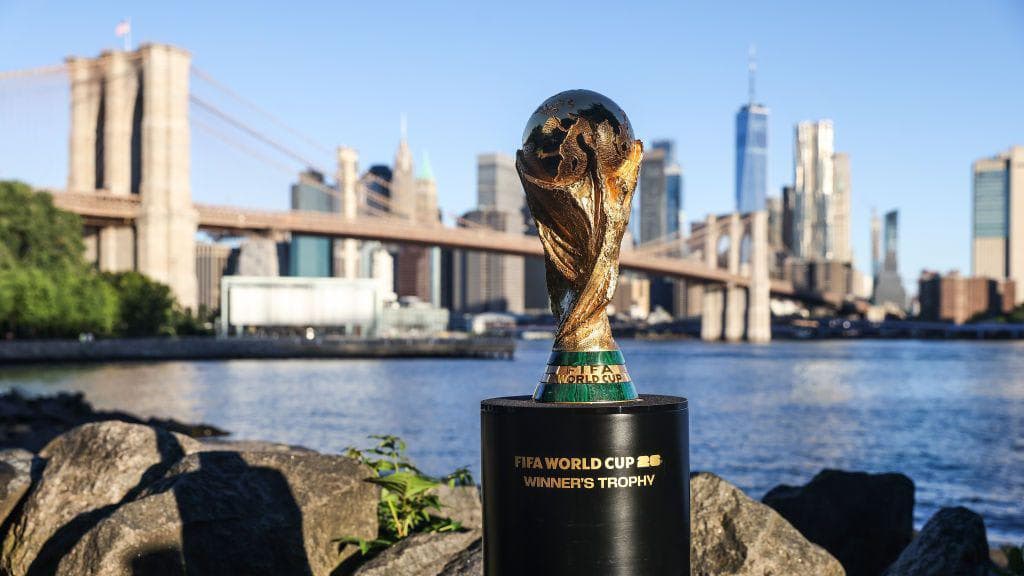

As the 2026 FIFA World Cup gets underway, small businesses across the UK are viewing the tournament as more than just a sporting spectacle. For many SMEs, it represents a significant commercial opportunity capable of generating increased sales, attracting new customers and driving short term economic activity.
Research highlighted by Business Matters found that a large proportion of small business owners believe major sporting events such as the World Cup can deliver meaningful benefits to the wider economy. The expanded tournament, being hosted across the United States, Canada and Mexico, is expected to reach billions of viewers worldwide and generate substantial consumer spending both during and beyond the competition.
While the UK is not hosting matches, businesses are still expected to benefit from increased spending linked to match viewing, social gatherings and promotional activity. Analysts estimate that British consumers could spend around £3.8 billion on food, drink, entertainment and betting during the tournament, creating opportunities for pubs, restaurants, takeaways and retailers.
For SMEs, the significance extends beyond hospitality. Major sporting events often encourage consumers to spend on electronics, merchandise, food deliveries and leisure activities, while businesses themselves use the occasion to launch marketing campaigns, customer promotions and themed events. The World Cup's expanded format, featuring 104 matches and 48 teams, is expected to increase audience engagement and create more opportunities for businesses to connect with customers over a longer period.
The growing importance of the event economy has become a key consideration for many business owners. Whether it is a global sporting tournament, music festival or major cultural event, SMEs are increasingly recognising that these moments can create spikes in consumer demand and provide opportunities to strengthen brand visibility. Businesses that plan ahead are often best placed to capture additional revenue through targeted offers, digital marketing campaigns and customer experiences tailored to the event.
Industry experts note that the economic impact of major tournaments is often concentrated in sectors linked to hospitality, food and beverage sales, entertainment and retail. Consumer confidence and national enthusiasm can also play an important role, with spending patterns often influenced by how well national teams perform throughout the competition.
Although economists caution that the wider economic boost from major sporting events can be temporary, many small businesses view these occasions as valuable trading opportunities during challenging economic conditions. Increased footfall, higher customer engagement and additional sales can provide a welcome boost at a time when many firms continue to face rising costs and cautious consumer spending.
For SMEs willing to embrace the event economy, the 2026 World Cup serves as a reminder that major global events can create opportunities far beyond the stadium. From local pubs and independent retailers to digital businesses and service providers, the tournament offers a chance for businesses to engage customers, generate revenue and demonstrate the agility that has long been a hallmark of the UK's small business sector.
About the Author
This is Small and Medium Enterprises News Official News Desk