
Small UK Businesses Under ‘Pandemic-Level’ Pressure, MPs Warn

Small and medium-sized enterprises across the United Kingdom are facing pressures comparable to those experienced during the Covid-19 pandemic, according to a new report from the Business and Trade Committee. The cross-party group of MPs warns that cumulative financial and operational strains are placing thousands of firms at risk, with serious consequences for employment, local economies and national growth.
In findings published by the House of Commons committee, MPs conclude that although businesses are no longer constrained by lockdowns, they are grappling with a combination of late payments, elevated energy costs, high business rates, retail crime and mounting administrative burdens. Taken together, these challenges are described as systemic and mutually reinforcing, creating conditions that threaten business viability on a scale comparable to the pandemic period.
Late payment practices remain one of the most significant pressures. The committee heard that small firms were owed an estimated £112 billion in unpaid invoices by the end of 2024, with nearly half of invoices paid beyond agreed terms. Extended payment periods of 60 to 90 days are reportedly common in certain sectors, particularly construction. MPs cited evidence suggesting that dozens of small suppliers are forced to close each day as a direct consequence of cash flow disruption linked to overdue payments.
High street businesses continue to experience acute strain. Store closures have persisted at pace, with dozens shutting daily during the first half of 2024. At the same time, energy costs remain substantially higher than pre-crisis levels, with electricity prices in 2024 nearly double those of three years earlier. For many smaller retailers and hospitality operators, sustained increases in utility bills have eroded already narrow margins and constrained reinvestment.
The report also draws attention to the administrative and tax compliance burden faced by small firms, which collectively devote significant time and financial resources to meeting regulatory requirements. MPs argue that structural thresholds within the VAT system and business rates regime may deter growth by effectively penalising firms as they expand.
In response, the committee has urged the government to adopt a more coordinated and strategic approach to small business policy. Its recommendations include stronger enforcement against late payment practices, reforms to VAT and business rates to remove growth-distorting thresholds, improved access for SMEs to public procurement opportunities, targeted support on energy costs and enhanced action to address retail crime.
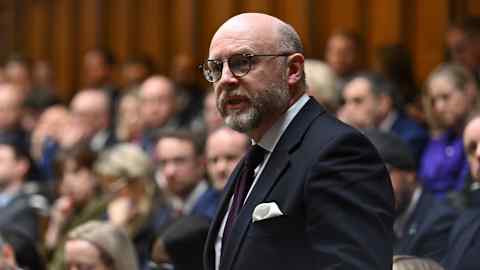
The committee’s chair, Liam Byrne, said the evidence demonstrates that high streets and local enterprises do not decline by chance, but through accumulated structural weaknesses and policy failures. He warned that without decisive intervention, continued closures could undermine community resilience and weaken the broader economic outlook.
Rt Hon Liam Byrne MP, Chair of the Business and Trade Committee, said:
“The evidence we heard during this inquiry was stark. Many small businesses are now operating under pressures comparable to those experienced during the Covid pandemic but this time without an emergency support framework in place.
About the Author
This is Small and Medium Enterprises News Official News Desk