
Scrapped Trade Digitalisation Plans Raise Costs and Uncertainty for UK SMEs
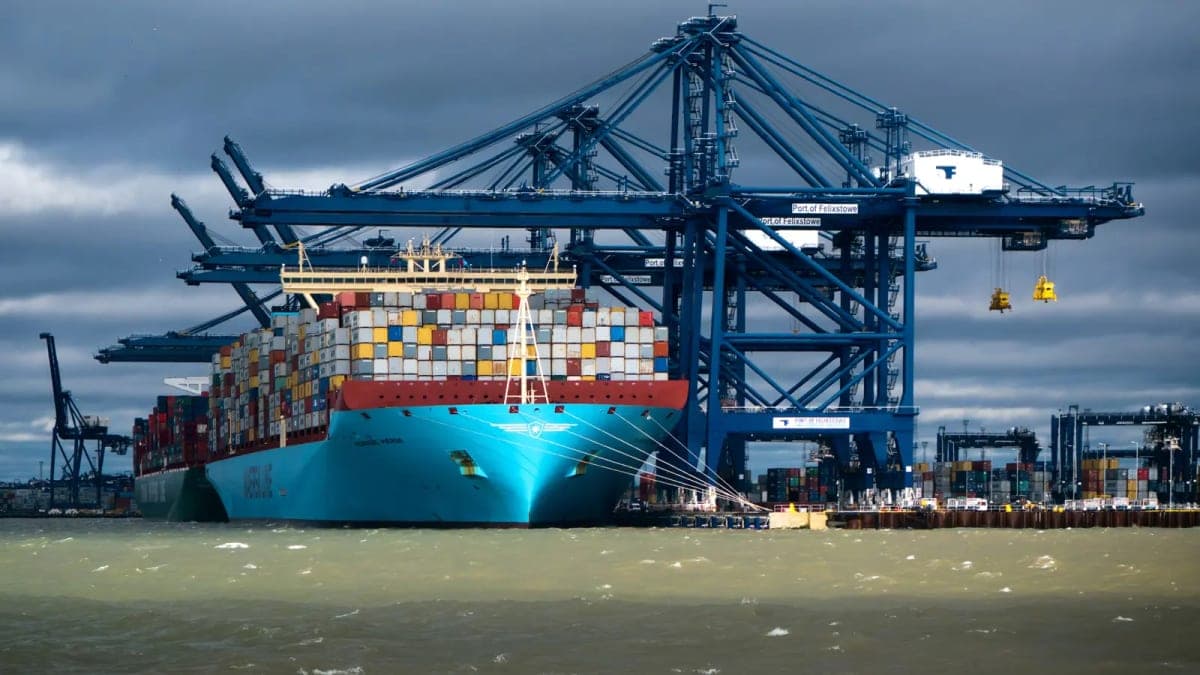

The UK government has confirmed that plans for a £110 million digital trade system, known as the Single Trade Window, will not be taken forward, ending a flagship effort to simplify post-Brexit border processes. The project was designed to streamline customs declarations by allowing businesses to submit data through a single digital platform. Its abandonment has raised concerns among small and medium-sized enterprises (SMEs) that already face significant administrative and financial barriers when trading internationally.
The decision, announced this month by the UK Government, means that importers and exporters will continue to navigate multiple customs systems and overlapping data requirements. While larger firms often have dedicated compliance teams to manage this complexity, smaller businesses are more exposed to the cost and time involved in meeting border obligations. For many SMEs, these frictions translate directly into higher operating expenses and longer delays in getting goods to market.
Industry groups have warned that the absence of a unified digital system reinforces a two-speed trading environment. SMEs involved in exporting or importing smaller volumes are less able to absorb additional paperwork costs, software fees and consultancy charges associated with customs compliance. In some cases, business owners report spending more time on administration than on developing new markets, limiting their ability to grow internationally.
The impact is particularly acute for first-time or occasional exporters, who rely on clear and efficient systems to make overseas trade viable. Without further simplification, some SMEs are reconsidering whether international trade remains commercially worthwhile. This has implications not only for individual firms but also for regional economies that depend on small exporters to drive growth and diversification.
The shelving of the project also adds to wider uncertainty around the UK’s long-term trade infrastructure. Digitalisation had been seen as a way to reduce friction without altering existing trade arrangements, offering practical support to businesses adapting to post-Brexit rules. Its cancellation places greater emphasis on existing processes, which many SMEs view as fragmented and resource-intensive.
For small businesses already navigating higher costs and softer demand, the decision represents another constraint on growth. While trade volumes may remain manageable for larger firms, SMEs face a sharper trade-off between opportunity and administrative burden. As a result, the focus for many small exporters is shifting from expansion to consolidation, underscoring the importance of clarity and efficiency in the systems that underpin international trade.
About the Author
This is Small and Medium Enterprises News Official News Desk