
Rising Unemployment and Slower Wage Growth Create New Hiring Challenges for UK SMEs
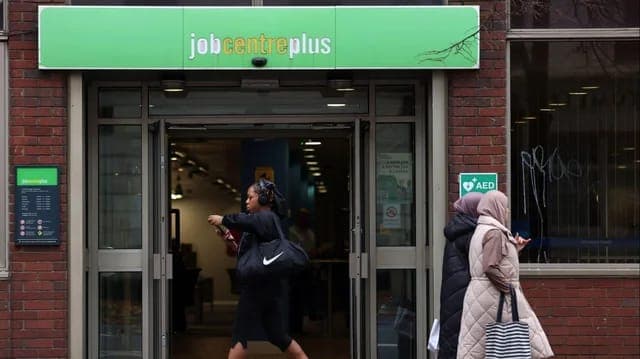

UK unemployment has moved close to its highest level in five years, signalling a period of renewed pressure in the labour market as economic growth remains subdued. Data released in February by the Office for National Statistics shows a steady increase in joblessness over recent months, with young people accounting for a growing share of those out of work. For small and medium-sized enterprises (SMEs), which form the backbone of the UK economy, these trends are reshaping recruitment strategies and business planning.
At the same time, wage growth has slowed compared with the rapid increases seen in the immediate post-pandemic period. This moderation reflects weaker demand and a more cautious outlook among employers. While slower wage growth reduces some immediate cost pressures, SMEs report that overall employment costs remain elevated once pensions, national insurance contributions and training requirements are taken into account. As a result, hiring decisions are increasingly based on long-term affordability rather than short-term labour availability.
Youth unemployment has become a defining feature of the current labour market. Despite a larger pool of candidates, many small firms continue to report difficulties finding workers with the right mix of skills and experience. Limited access to affordable training and development remains a constraint, particularly for microbusinesses with narrow margins. This has led to a situation where vacancies persist alongside rising unemployment, especially in customer-facing and technical roles.
Labour-intensive sectors such as hospitality, retail and care services have been particularly affected. These industries rely heavily on flexible staffing models, yet face ongoing cost pressures linked to operating expenses and regulatory requirements. In response, many SMEs are opting to limit recruitment, increase hours for existing staff or rely more heavily on temporary contracts to manage uncertainty.
Business confidence has softened as a result of these conditions. Surveys conducted this month indicate that many SME owners are postponing expansion plans and focusing on maintaining financial stability. Hiring restraint is less a reflection of weak demand for labour and more an outcome of broader economic caution, as firms seek to balance workforce needs with tighter margins and unpredictable trading conditions.
As unemployment rises and wage growth slows, SMEs remain at the centre of the labour market adjustment. The current environment highlights the importance of aligning workforce availability with sustainable employment costs and skills development. For small businesses, the challenge in the months ahead will be navigating these pressures while remaining positioned to respond quickly if economic conditions begin to improve.
About the Author
This is Small and Medium Enterprises News Official News Desk