
Organised rogue trader networks uncovered in large-scale maintenance fraud
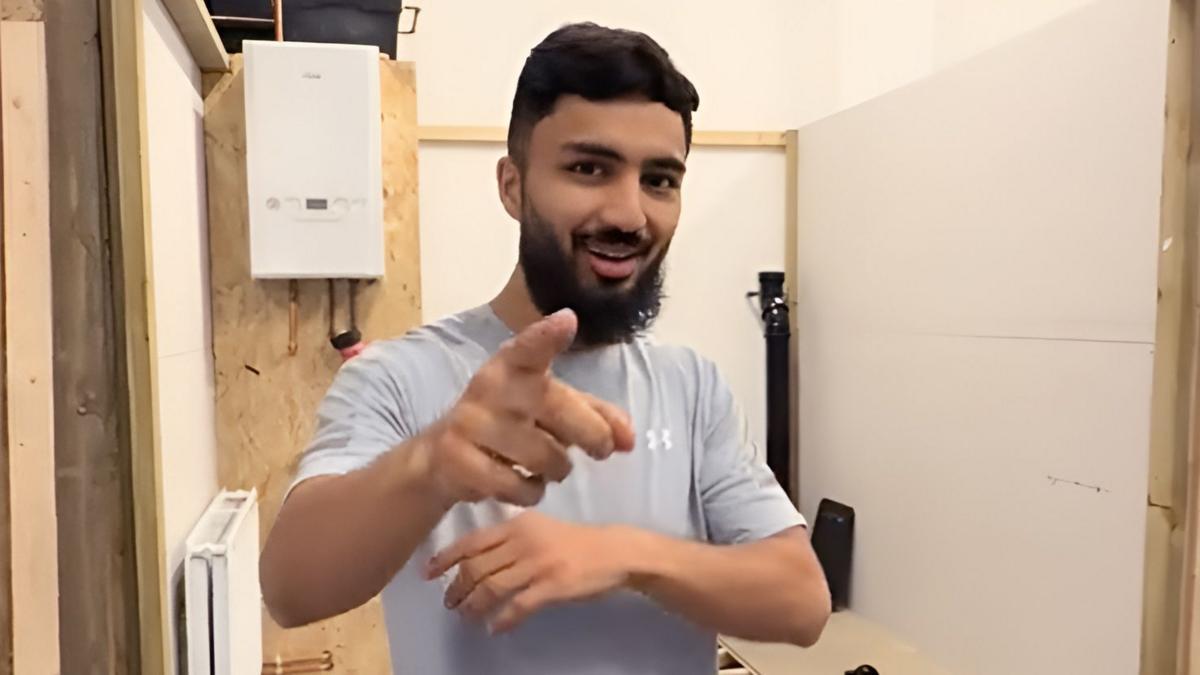
Image: BBC News

A BBC investigation has exposed the operations of organised networks of rogue electricians and plumbers who are systematically defrauding customers across the UK. The findings highlight a sophisticated model of exploitation, where vulnerable individuals are targeted for inflated fees, sometimes reaching thousands of pounds for minor maintenance tasks.
The mechanics of the rogue network
At the centre of the investigation is Nessar Khawaja, a 23-year-old who operated under the social media handle “ThatGuyNess”. Through platforms like TikTok, Khawaja reportedly recruited engineers and boasted about the significant profits generated by his operations. In one video, he claimed to manage a team of “100-120 engineers” and described his group as being at the “top of the food chain”.
The investigation suggests these networks operate with high overheads for the tradespeople involved. An undercover recruitment call revealed that engineers are required to surrender 60% of their earnings from every job to the central network. Khawaja has denied any wrongdoing, asserting that his social media content was intended as light-hearted entertainment and did not reflect his actual business practices.
Following enquiries, TikTok confirmed it had removed the account for “breaching its rules on fraud and scams”. However, the impact on consumers remains severe, with Trading Standards reporting that the average cost of such call-out scams has now reached approximately £10,000.
Implications for legitimate small businesses
For genuine SMEs in the trade sector, these rogue networks represent a significant threat to industry reputation and fair competition. These groups often manipulate digital search results to appear at the top of Google listings, frequently using names that imply they are established local firms. This can divert business away from legitimate local tradespeople who rely on search visibility for their livelihood.
The investigation detailed cases where customers felt pressured into paying exorbitant bills. One London resident was charged £9,153 for the installation of an outdoor socket, a task that an independent expert stated “should have cost no more than £250.” Another victim in Essex was presented with a bill for £6,237.60 for plumbing repairs after being initially quoted a £49 call-out fee.
Firms may find that such high-profile cases of fraud increase consumer scepticism, making it more difficult for honest SMEs to build trust. The use of aggressive tactics, including threats of physical presence at a customer's home, further tarnishes the image of the maintenance sector.
Protecting business reputation and consumer trust
The investigation also uncovered the use of scripts designed to coach recruits on how to maximise profits through deception. These documents allegedly instructed workers to inflate prices if children or pets were present and to fake the time taken for certain tasks, such as lock picking. Such practices are often linked to companies that are quickly dissolved and replaced by new entities.
Legitimate SMEs may want to focus on transparent pricing and verified credentials to distinguish themselves from these predatory networks. As these rogue groups continue to use portable card readers and sophisticated online marketing, the importance of industry accreditation and clear, written quotes becomes paramount for maintaining professional standards.
While some victims have received refunds from their banks as a gesture of goodwill, the psychological impact of these scams remains. For the small business community, the exposure of these networks serves as a reminder of the importance of robust consumer protection and the need for vigilance against those who “monetise vulnerability” within the trade industry.
Source: BBC News
About the Author
This is Small and Medium Enterprises News Official News Desk