
Millions of Small Businesses Face New Profit and Loss Reporting Rules from 2028
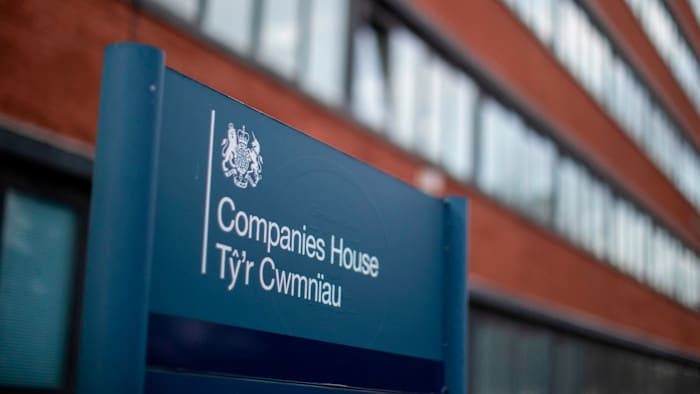

The government has confirmed that around two million small and micro businesses will be required to submit profit and loss information to Companies House under reforms designed to tackle economic crime and reduce tax evasion, reigniting concerns across the small business community about additional costs, administration and commercial confidentiality.
The changes form part of the Economic Crime and Corporate Transparency Act and will come into effect from April 2028, following a one year delay intended to give businesses more time to prepare. Under the new rules, small companies that have traditionally been able to file simplified accounts will be required to provide more detailed financial information, including profit and loss statements.
While the government has sought to ease concerns by allowing many smaller firms to opt out of making their profit and loss figures publicly available, the information will still be accessible to HMRC and law enforcement agencies. Ministers argue that the additional data will strengthen efforts to identify fraud, economic crime and tax avoidance, particularly as small and medium sized enterprises account for a significant share of the UK's tax gap.
The decision represents a significant shift from expectations earlier this year that the reporting requirements might be abandoned following widespread opposition from business groups. Organisations representing entrepreneurs and smaller firms had warned that forcing businesses to disclose more financial information could increase compliance costs and expose commercially sensitive details to competitors, suppliers and larger customers.
Industry bodies have argued that many small businesses already provide detailed financial information to HMRC through existing tax reporting processes and question whether the additional filing requirements will deliver enough benefits to justify the extra burden. Concerns have also been raised about the impact on start ups and fast growing companies, which may be reluctant to reveal financial performance during crucial growth stages.
Alongside the new disclosure requirements, businesses will eventually be required to file accounts using approved software as part of a broader push towards digital reporting. The reforms will also tighten some audit exemption rules and limit the ability of companies to alter accounting periods in ways that could delay financial disclosures.
Supporters of the reforms argue that more robust reporting standards will improve the quality of information held by Companies House and help build trust in the UK's corporate framework. Transparency advocates have long argued that stronger reporting requirements are necessary to prevent the misuse of company structures and improve oversight of business activity.
For small businesses, however, the announcement is likely to reopen a debate about the balance between transparency and entrepreneurship. At a time when many firms continue to face rising costs and economic uncertainty, business groups are expected to continue pressing ministers to ensure that efforts to tackle fraud do not create unnecessary obstacles for legitimate enterprises seeking to grow.
About the Author
This is Small and Medium Enterprises News Official News Desk