
Government Overhauls Licensing Rules in Bid to Revive High Streets
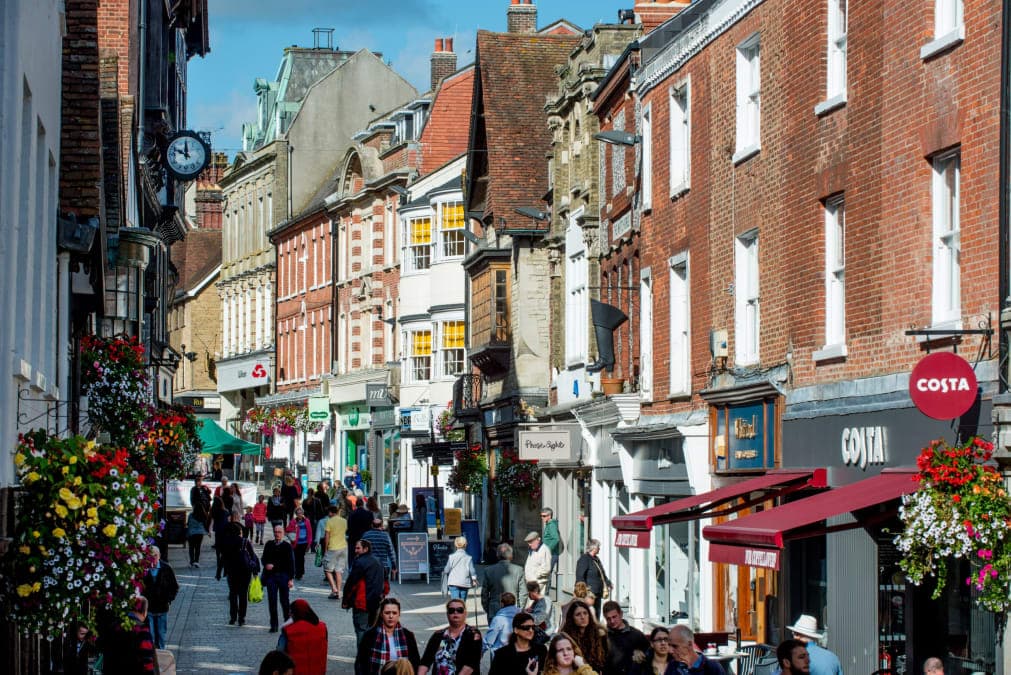

The government has announced a major overhaul of planning and licensing regulations in an effort to revitalise high streets and support new hospitality ventures across the United Kingdom. The new National Licensing Policy Framework aims to simplify and speed up the process for opening cafés, bars, restaurants and music venues. Ministers say the reforms will cut bureaucracy and reduce the time it takes for entrepreneurs to secure permission to convert empty retail premises.
The updated framework is intended to replace what the government describes as outdated and inconsistent licensing rules that have often slowed down the launch of new businesses. By creating a more standardised national system, officials hope to remove many of the barriers that small business owners face when attempting to repurpose vacant shops or expand hospitality services in their local area.
A central element of the reform is the creation of hospitality zones. These zones will allow quicker approval for outdoor seating, street events and longer opening hours. The government believes that encouraging clusters of hospitality activity will bring renewed life to struggling town centres by increasing footfall and offering communities more places to gather socially.
The plan also introduces nationwide adoption of the Agent of Change principle. This measure places the responsibility for soundproofing on property developers when new housing is built close to existing pubs, clubs or live music venues. The intention is to protect well-established venues from noise complaints that often arise when new residents move into busy entertainment districts.
London is expected to feel the effects of the reforms more sharply than many other parts of the country. Small hospitality operators in the capital have long voiced concerns about the financial and administrative obstacles created by complex licensing processes and demanding property requirements. Easier and quicker permissions may open the door to a new wave of independent cafés, bars and creative spaces, particularly in areas with a high number of empty units or high streets that have suffered declining footfall since the pandemic.
Reactions from the hospitality sector have been mixed. Many business owners welcome the prospect of a more straightforward system, but others argue that the reforms fail to address wider pressures such as rising energy prices, high business rates and persistent staffing shortages. Some local groups have also expressed concern that a more centralised licensing approach could reduce the influence of councils and residents in decisions that affect noise levels, public safety and neighbourhood character.
Local authorities will now begin reviewing how they intend to adopt the new framework and where hospitality zones should be established. The speed at which councils implement the changes will play a crucial role in determining whether the reforms succeed in revitalising urban centres. For many small businesses, the coming months will reveal whether cutting administrative barriers can counter the economic challenges that continue to shape the future of the hospitality industry.
About the Author
This is Small and Medium Enterprises News Official News Desk