
Blair McDougall appointed Small Business Minister as Government strengthens SME focus
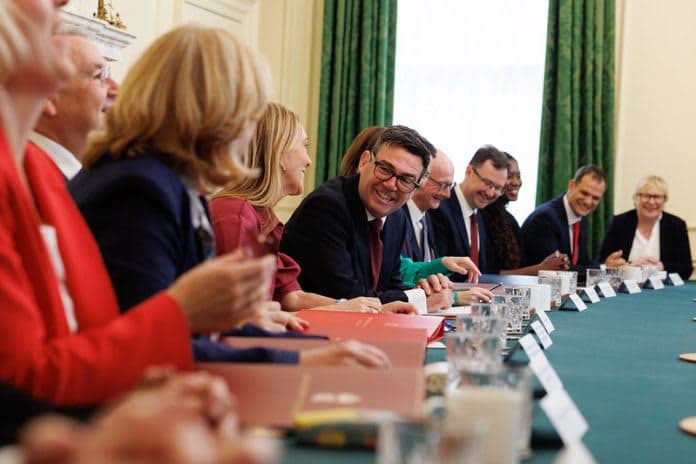

The Government has reaffirmed its commitment to the UK's small business community following the appointment of Blair McDougall as Minister for Small Business and Economic Transformation, placing SME growth at the centre of Labour's economic agenda.
The appointment forms part of Prime Minister Andy Burnham's first ministerial team and comes at a time when ministers are placing renewed emphasis on boosting productivity, encouraging entrepreneurship and supporting regional economic growth. With small and medium sized enterprises accounting for more than 99 per cent of UK businesses and employing millions of people, the role is expected to play a key part in delivering the Government's long term growth strategy.
McDougall's portfolio covers a broad range of responsibilities affecting SMEs, including support for entrepreneurs, scale up businesses, access to finance, business regulation, corporate governance and insolvency policy. He will also oversee several important organisations that work closely with smaller businesses, including the British Business Bank, Companies House and the Office of the Small Business Commissioner.
The appointment comes as Labour continues to develop policies aimed at making it easier for businesses to start, grow and invest. Recent government announcements have included expanding access to business finance through the Growth Guarantee Scheme, tackling late payment practices and increasing opportunities for smaller firms to secure public sector contracts.
For many business owners, having a dedicated minister focused on the needs of SMEs provides a clearer route for engagement with government. Business groups have long argued that smaller firms face different challenges to larger corporations, particularly when it comes to accessing finance, recruiting skilled workers, managing regulation and navigating rising operating costs.
The role is also expected to support the delivery of Labour's wider industrial strategy, which seeks to encourage investment across advanced manufacturing, clean energy, digital technology and other high growth sectors. Ministers have repeatedly highlighted the importance of ensuring smaller businesses can participate in these opportunities, whether through innovation funding, supply chain partnerships or improved access to export markets.
Regional growth is also expected to remain a major priority under the new administration. Drawing on his experience as Mayor of Greater Manchester, Prime Minister Andy Burnham has pledged to strengthen devolution, giving local leaders greater influence over economic development and business support. For SMEs, this could result in more tailored regional initiatives, stronger collaboration with local authorities and improved access to investment programmes designed around local economic needs.
Business confidence has become an increasingly important issue following several years of economic uncertainty. Many SMEs continue to face pressure from higher operating costs, skills shortages and changing market conditions, while also looking for greater certainty around tax, regulation and long term investment policy. The Government has indicated that creating a stable environment for businesses to invest and expand will remain a central objective throughout this Parliament.
Alongside supporting entrepreneurs, McDougall is expected to work closely with businesses on measures to improve productivity and encourage more firms to scale. While the UK has a strong record of business creation, many companies struggle to grow beyond the start up phase. Expanding access to finance, reducing unnecessary barriers and strengthening business support networks are likely to feature prominently in the Government's plans to address this challenge.
The appointment signals Labour's intention to place SMEs at the heart of its economic strategy. While businesses will be looking for further policy announcements in the coming months, the creation of a ministerial role with direct responsibility for small businesses demonstrates the importance the Government places on the sector's contribution to employment, innovation and economic growth.
For Britain's millions of SMEs, attention will now turn to how these priorities translate into practical action. From improving access to finance and reducing administrative burdens to supporting innovation and regional investment, business owners will be hoping the new minister's appointment marks the beginning of a sustained focus on helping smaller firms grow and succeed.
About the Author
This is Small and Medium Enterprises News Official News Desk