
Bank of England Warns of Rate Hike Risk as Energy Costs Filter Through
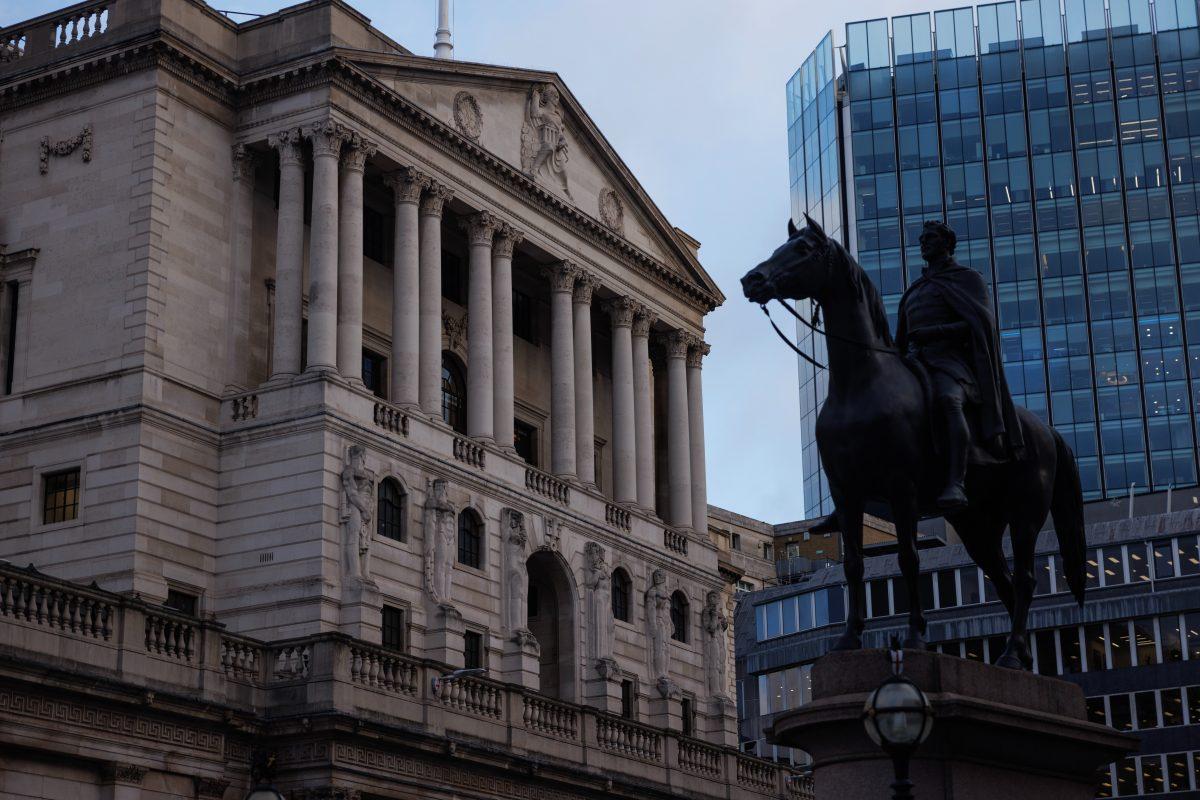
Image: City AM

UK businesses and households could face another increase in interest rates, as Bank of England policymakers caution that rising energy costs are expected to translate into higher prices for various consumer goods and services across the economy. This warning comes after the Monetary Policy Committee (MPC) voted to raise interest rates to four per cent earlier this month.
What Bank Officials Are Saying
Officials from the Bank of England informed MPs that, until recently, the impact of international energy prices on other goods and products had been relatively contained. However, this situation appears to be changing.
“We’ve got quite a sharp pickup in energy price inflation, we’re concerned about heading off the indirect and second-round effects [where higher inflation pushes up wages, and vice-versa in a spiralling effect]. Meanwhile we’re not seeing those effects as strongly as we thought, but the pipeline—which is the energy effects—now looks much stronger.”
Bank Governor Andrew Bailey stated that while the Bank's forecast for inflation to reach nearly five per cent in the middle of next year would be “mechanically would be lower” if oil prices remained around $90 per barrel, relying on current market pricing for monetary policy decisions was “too unpredictable”.
Swati Dhingra, an MPC member who described her recent vote to increase interest rates as “additional insurance”, expressed her surprise that businesses had not yet passed on their elevated input costs to consumers. She also noted that the effects of the Iran war on inflation had been “more muted” but warned of potential price pressures building in the economy in the coming months.
Deputy Governor Clare Lombardelli, who is considered likely to support further rate hikes, highlighted that “We know we’ve got these higher prices that have happened over months up until now, and that will filter through.” She also mentioned that food price inflation, while lower than anticipated, could climb as high as five per cent by the middle of next year.
Implications for SMEs
The prospect of higher interest rates could mean increased borrowing costs for small and medium-sized enterprises (SMEs) across the UK. Firms reliant on loans or credit facilities may see their repayments rise, impacting cash flow and investment plans. Andrew Bailey acknowledged that business owners were “finding this a very hard environment to pass cost increases on into pricing”. This suggests that many SMEs may be absorbing rising energy and other input costs, which could squeeze profit margins. As Bank officials anticipate these higher prices to filter through more broadly, SMEs might face renewed pressure to adjust their pricing strategies or find efficiencies to mitigate the impact.
The December Decision Looms
The Bank of England's next decision on interest rates is scheduled for December. Analysts are currently divided on whether the Monetary Policy Committee will opt to raise rates further to 4.25 per cent or maintain them at their current level. Catherine Mann, another MPC member seen as likely to back further hikes, suggested that the Bank's credibility in managing inflation, alongside strong UK economic growth, were key factors in her recent voting decisions. SME owners will be closely watching this announcement, as any change could directly influence their operational costs and the broader economic environment.
Source: City AM
About the Author
This is Small and Medium Enterprises News Official News Desk